
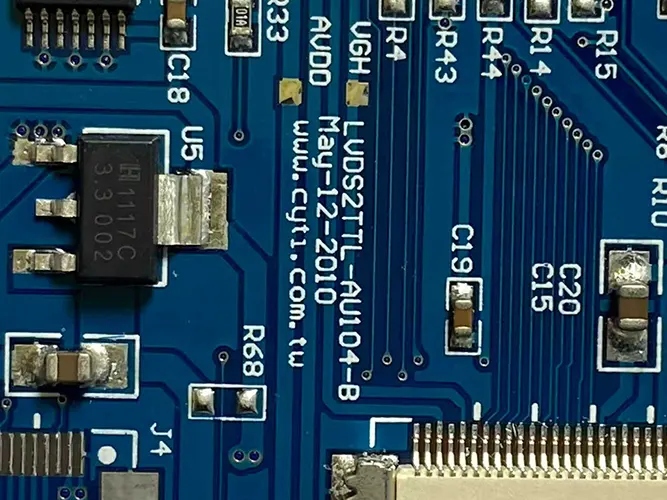
The Functional Failure Analysis Case Study of PCBA Caused by HDI Blink Hole Defects
With the rapid advancement of microelectronics technology, electronic products continue to evolve toward lighter, thinner, shorter, and smaller designs.
With the rapid advancement of microelectronics technology, electronic products continue to evolve toward lighter, thinner, shorter, and smaller designs.
Aerospace electronic and electrical equipment continuously faces erosion from special environmental factors such as humid heat, mold, salt spray, and corrosive gases during service.
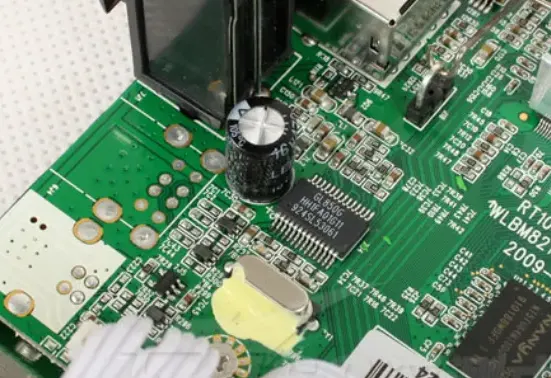
PCB warping is a critical issue in modern electronics manufacturing, particularly on automated surface mount lines, where even slight deformation can cause misalignment, poor component placement, or damage to insertion machinery.
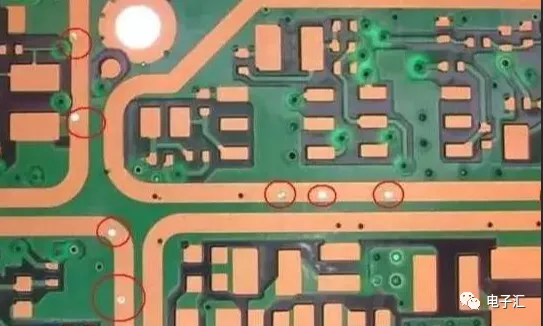
Via holes serve to interconnect circuit traces. The advancement of the electronics industry has driven the development of PCBs while imposing higher demands on printed circuit board manufacturing processes and surface mount technology.
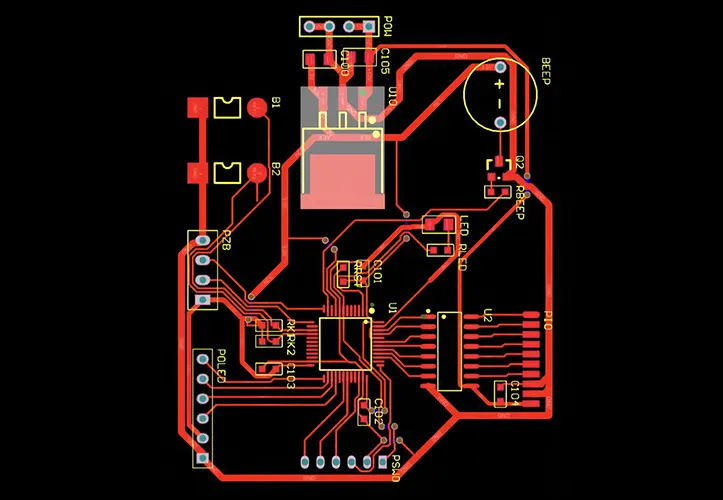
Printed Circuit Board Assembly (PCBA) consists of a Printed Circuit Board (PCB), electronic components, and structural elements, assembled through precision soldering and mounting processes.
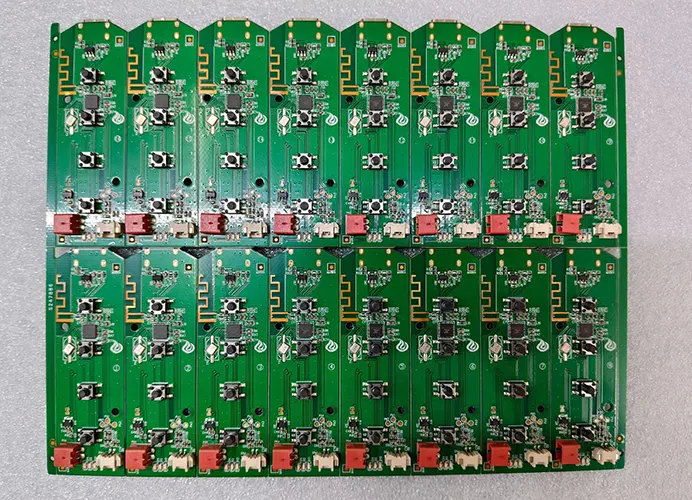
With the rapid development of electronic products toward miniaturization, high performance, and high reliability, High-Density Interconnect (HDI) printed circuit boards have become a key enabling technology in advanced electronic packaging.
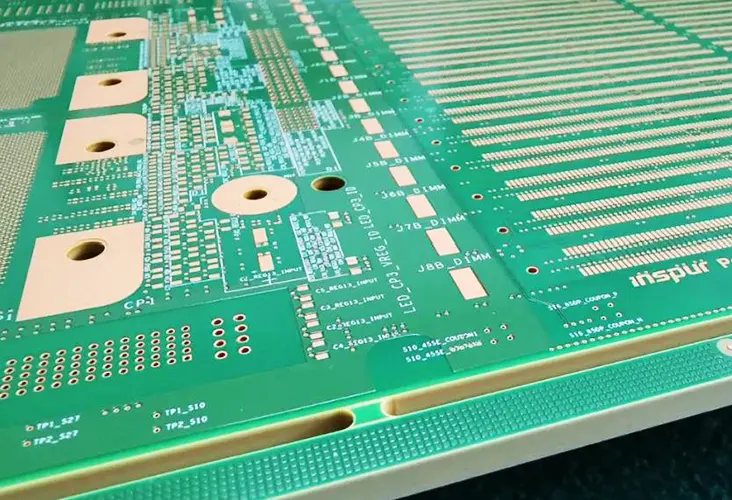
PCB dimensional change—often referred to as dimensional stability issues—is a long-standing and unavoidable challenge in printed circuit board manufacturing. It directly affects inner-layer registration, outer-layer alignment, impedance control, BGA assembly yield, and overall product reliability.
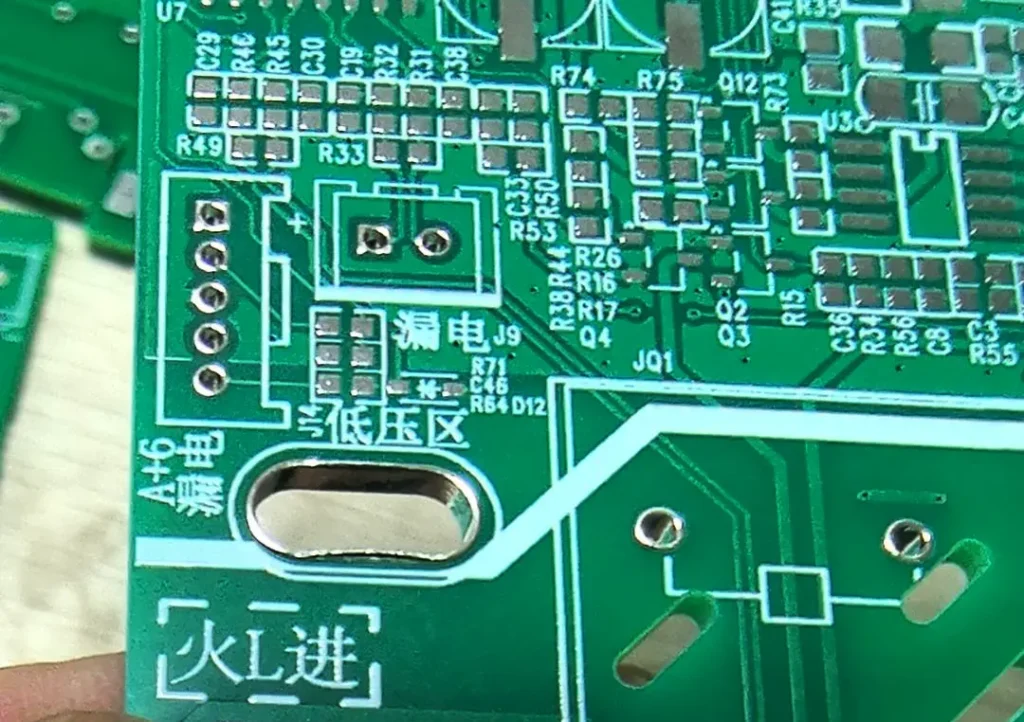
PCB Slot holes—also known as oblong, oval, or irregular holes—are widely used for connectors, positioning features, and mechanical retention in printed circuit boards.
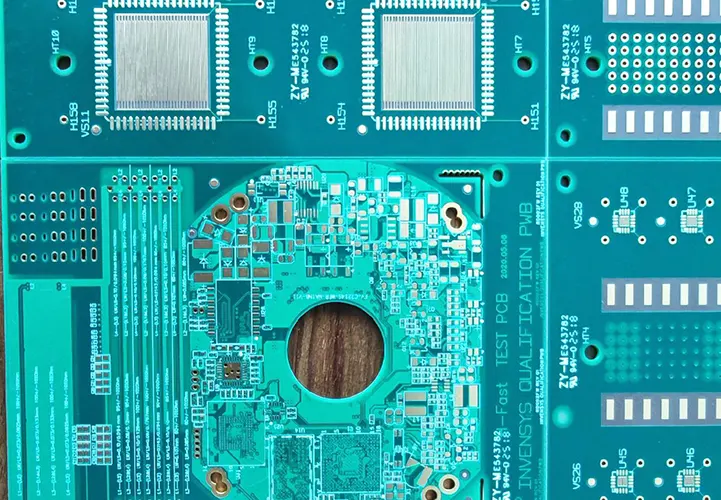
In PCB fabrication, stack height (the number of panels drilled in a single hit) has a direct and quantifiable impact on hole quality, positional accuracy, tool life, and overall yield.
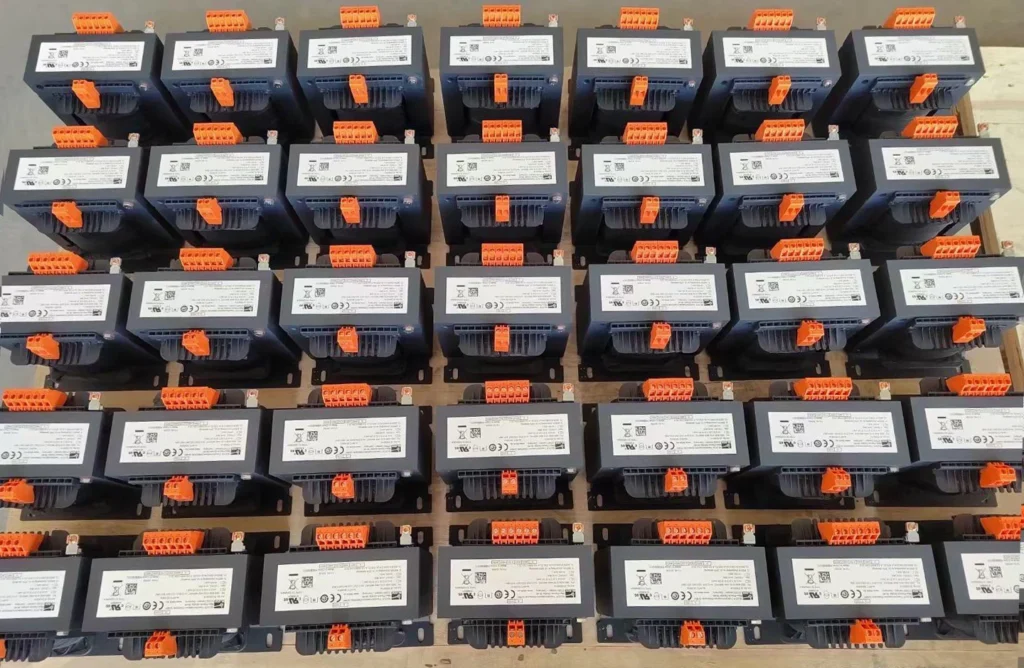
UL certification plays a vital role in ensuring the safety, reliability, and market acceptance of printed circuit boards (PCBs), particularly in North America and other regulated markets.