
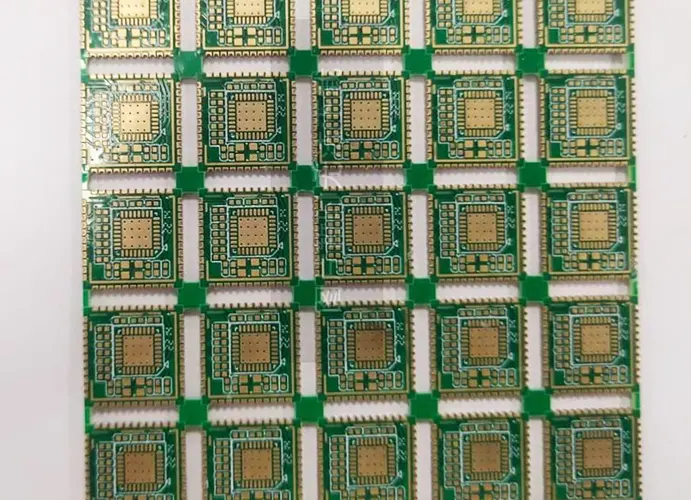
Why must PCB boards be baked before SMT assembly?
In modern electronics manufacturing, ensuring the reliability of every PCB […]
In modern electronics manufacturing, ensuring the reliability of every PCB […]
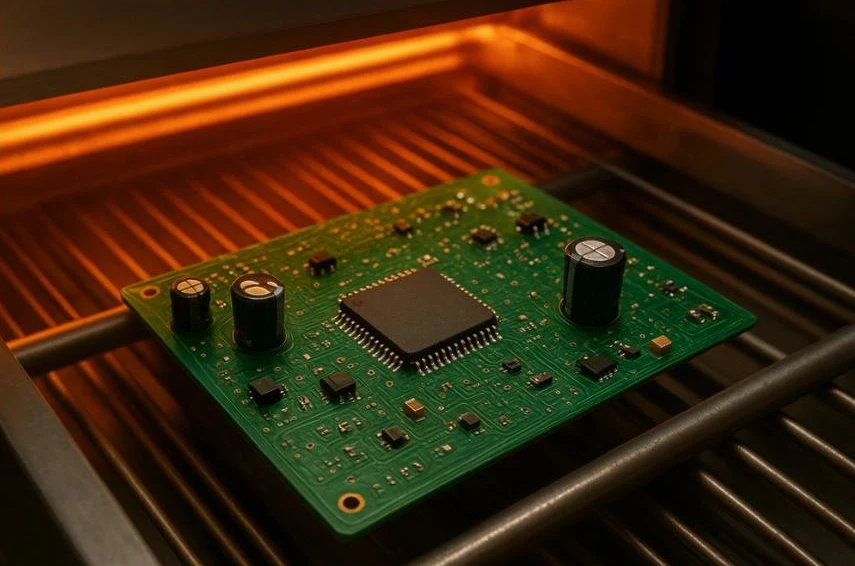
As living standards continue to rise, increasingly stringent demands are being placed on the soldering reliability of electronic products across all sectors. The entire industry is conducting ever more detailed research into the depth and breadth of electronic assembly and smart manufacturing.
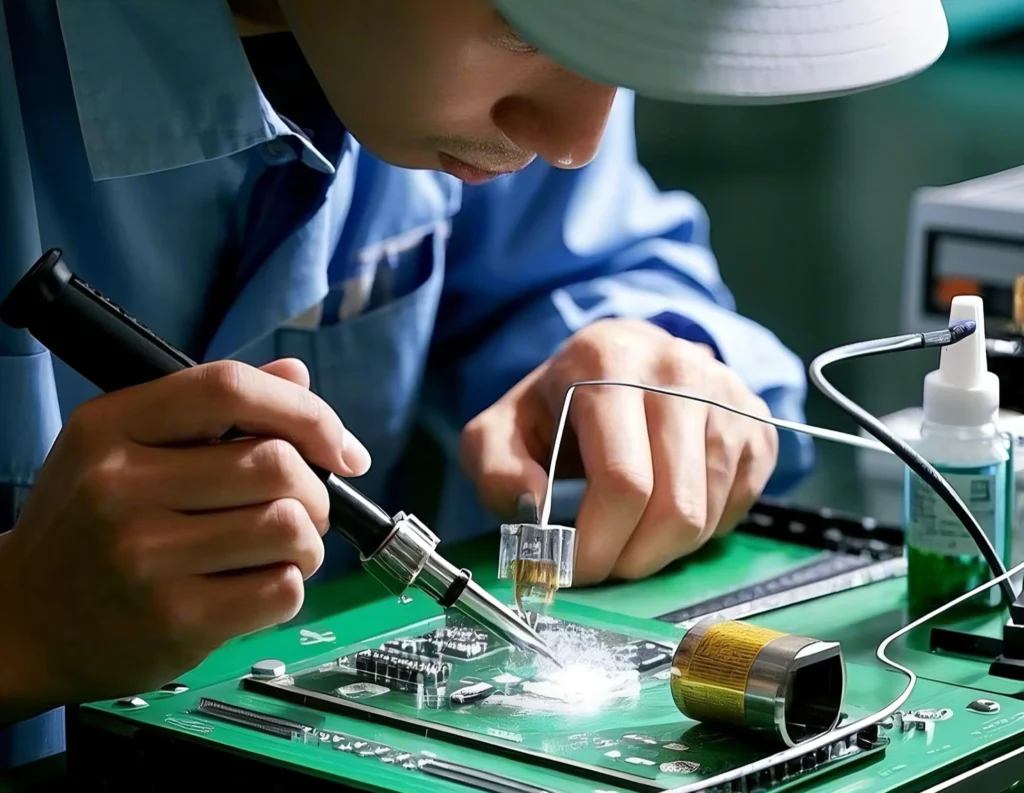
Currently, global electronic products are progressively evolving toward multifunctionality, intelligence, integration, and miniaturization. As electronic devices gain more functions while printed circuit boards (PCBs) offer limited spatial layout, surface mount technology (SMT) has become the mainstream electronic assembly technique.
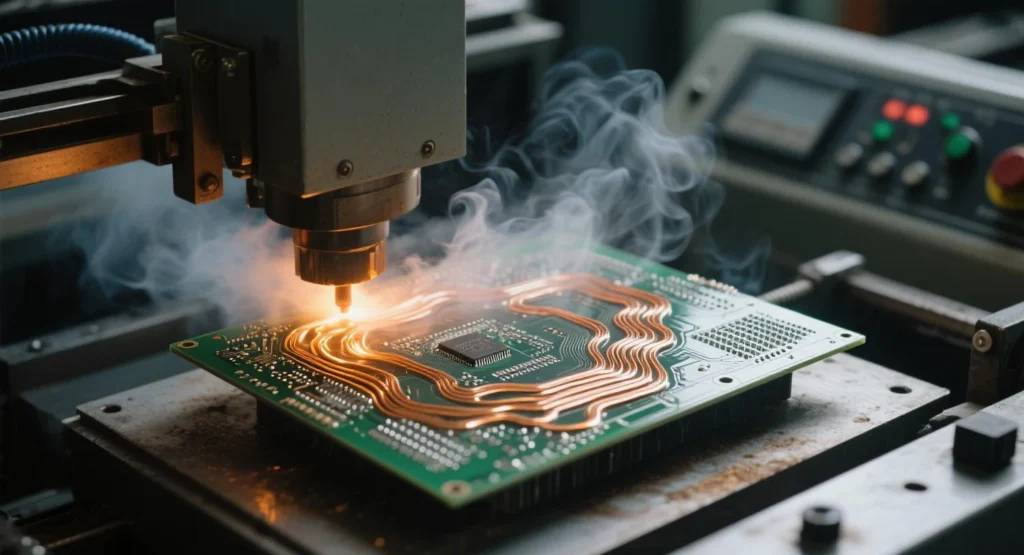
Failure analysis is a crucial component of product reliability engineering. It is widely applied to determine the causes of production issues during development and manufacturing, identify reliability-related failures during testing。

The performance characteristics of printed circuit boards (PCBs) originate from their design, while transforming that design into a finished PCB relies on the manufacturing process. Successful manufacturing hinges on the critical factor of manufacturability.
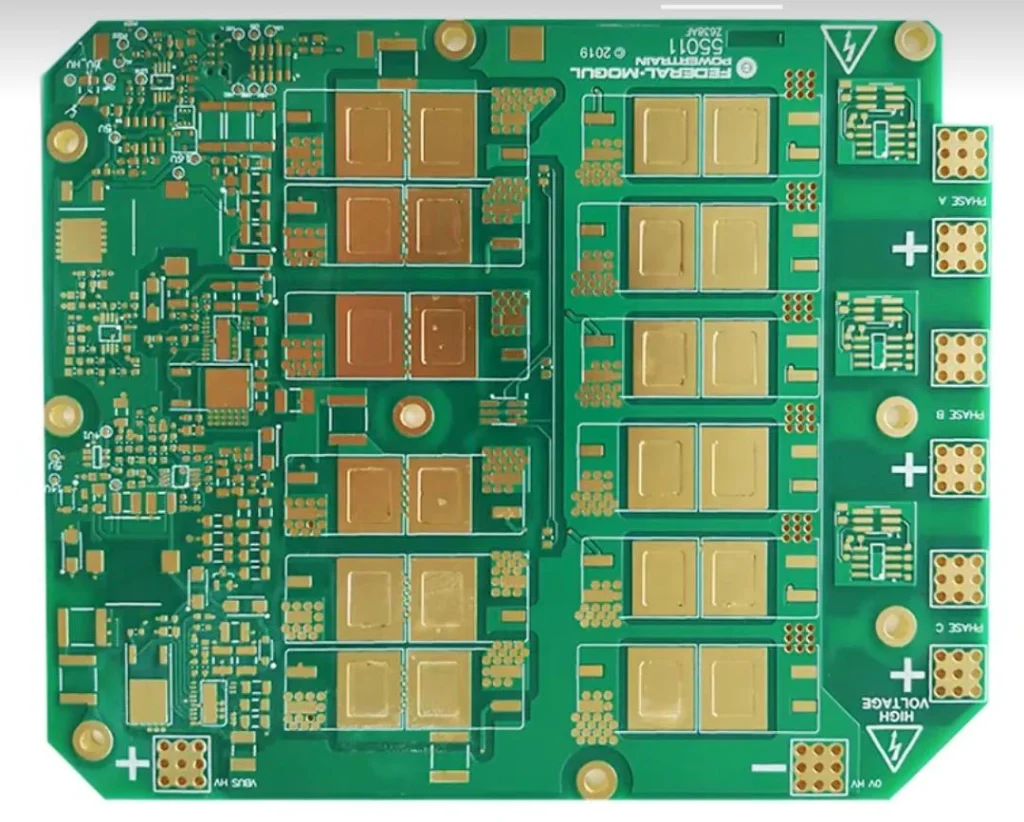
With the rapid advancement of technology, demands on electronic devices for performance and stability have become increasingly stringent.
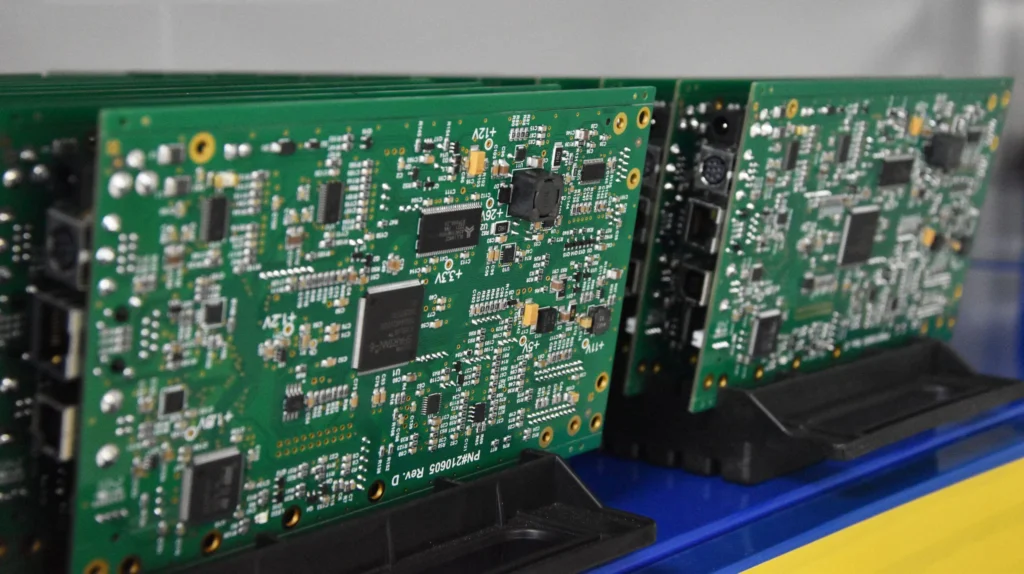
Printed Circuit Board Assembly (PCBA) refers to the process of mounting electronic components onto a printed circuit board (PCB). High-end precision PCBs are utilized in military, aerospace, medical equipment, automotive electronics, and other fields.