Panelization is a critical step in PCB design that directly affects manufacturability, material utilization, and production cost.
It involves combining multiple PCBs into a single panel to meet the size requirements of production equipment, reduce material waste, and improve processing efficiency.
Effective panelization requires careful consideration of factors such as layout shape, panel size, process margins, component clearance, and special testing or assembly requirements.
By optimizing these factors, manufacturers can achieve higher panel utilization, lower costs, and improved production efficiency.
In PCB design, panelization is a critical process that involves various factors, including manufacturability and cost control.
Below is a detailed analysis of why panelization is necessary, when it is required, whether it is feasible to omit it, and key considerations for panelization:
Why Use Panelization?
Reasons for Panelization
1. To Meet the Size Requirements of Production Equipment
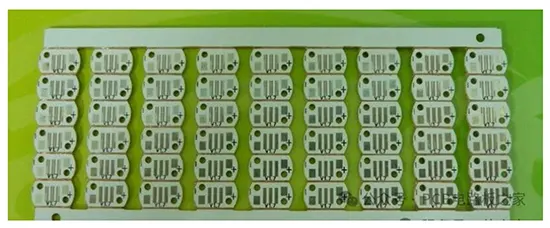
When a single PCB is small in size—especially if one side is less than 50 mm—it often fails to meet the minimum processing standards of production equipment, preventing the machine from operating normally.
Panelization allows small boards to be combined into a layout that meets equipment specifications.
At the same time, the maximum size of the panel must be controlled, typically not exceeding 700 mm × 600 mm, to ensure the efficiency of processes such as surface mount assembly.
2. Reducing PCB Material Waste
For irregularly shaped PCBs or when multiple PCBs share the same manufacturing processes, producing them individually results in significant material waste.
Panelization allows for the optimal layout of these boards, maximizing the use of board space and improving resource utilization.
3. Situations Requiring Panelization
A single PCB side is less than 50 mm, which does not meet the minimum size requirements of production equipment.
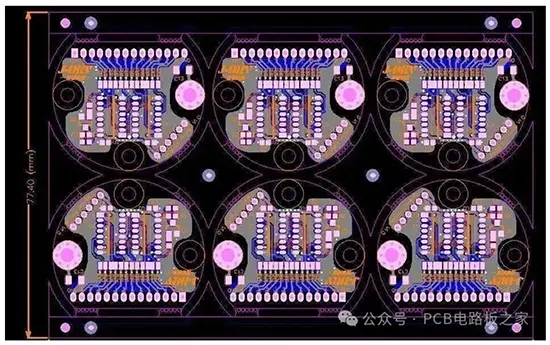
The PCB has an irregular shape, and producing it individually would reduce panel utilization.
There are multiple PCBs with identical processes; panelization can reduce waste and improve efficiency.
Feasibility of Non-Panelization
If a single PCB meets the minimum size requirements of the production equipment, has a regular shape, and offers high panel utilization, panelization may not be necessary.
However, for small-sized, irregularly shaped, or multi-specification PCBs that share the same manufacturing process, non-panelization can lead to production difficulties and increased costs; therefore, panelization is generally recommended.
Notes on Page Layout
Page Layout Shape
To facilitate production, the layout should be as square as possible after assembly, avoiding excessive aspect ratios to improve stability and efficiency during the production process.
Choosing a Panel Layout Method
Standard panels typically use V-CUT for panel layout; however, since V-CUT cannot be used for irregularly shaped panels, the stamp-hole method is generally employed for their layout.
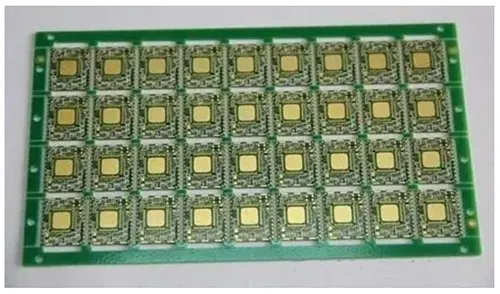
Setting the Process Margin
When the distance between the outermost component and the board edge is less than 3 mm, a process margin must be added to the PCB; typically, the longer side is used as the process margin.
This is why many single-sided boards include a process margin.
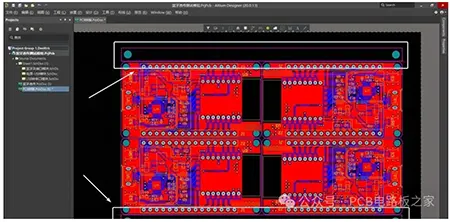
Marking and Via Placement
After panelization, be sure to add three marking points and four non-metallized vias along the outer process margin.
The marking points at the corners must not be aligned in a straight line; they should be slightly offset.
Clearance Requirements
A clearance of greater than 0.5 mm must be maintained between components and V-cuts to ensure the cutting tool operates properly and to prevent damage to the components.
Board-to-board spacing must account for the width of the component clearances, particularly where connectors are located along the board edges; in such cases, the dimensions of the connectors must be taken into consideration.
Nesting Optimization Strategies
Methods for Improving Panel Utilization
Improving panel utilization is key to reducing costs. Here are some effective methods:
1. Optimizing PCB Layout
By arranging PCBs closely together and reducing spacing, panel utilization can be significantly improved.
For example, using step-and-repeat technology, the standard spacing for PCBs without gold-plated edge contacts is 100 mils (2.54 mm) during milling and zero spacing during scoring.
Additionally, the scoring process allows for the creation of grooves between PCBs on both sides of the panel, enabling PCBs to be arranged closely together and even eliminating the space required for milling paths.
2. Designing Appropriate Border Widths
Determine the appropriate border width based on the number of PCB layers and technical requirements.
For single-layer and double-layer boards, the border width should be 500 mils (1.27 cm); for multilayer boards, the border width should be increased to 750 mils (1.905 cm).
For PCBs with controlled impedance requirements, an additional 1-inch (2.54 cm) border area should be reserved for test specimens.
Optimizing the border design can reduce unnecessary space waste.
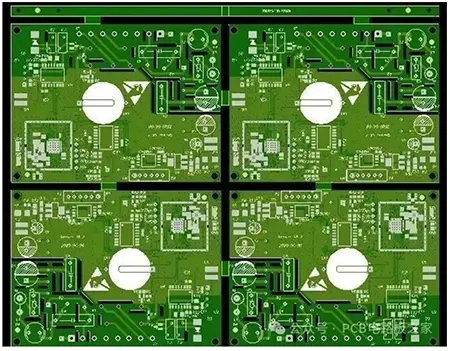
3. Use Standard Panel Sizes
In North America, common panel sizes include 12×18 inches, 18×24 inches, and 21×24 inches, with 18×24 inches being the most common.
Optimizing panel configurations around standard substrates and maximizing material utilization with standard panel sizes can significantly impact the price and lead time of multilayer boards.
In Asia, manufacturers typically offer custom panel sizes based on customer requirements to maximize material utilization.
Larger panel sizes generally result in the lowest processing cost per unit area.
4. Selecting the Right Panel Size
Selecting the right panel size is critical for optimizing panel layout costs:
North America: Common panel sizes include 12×18 inches, 18×24 inches, and 21×24 inches, with 18×24 inches being the most common.
These standard sizes help manufacturers optimize production processes, improve material utilization, and increase production efficiency.
By maximizing material utilization with standard panel sizes, the cost and lead time for multilayer boards can be significantly reduced.
Asia: Manufacturers typically offer custom panel sizes based on customer requirements to maximize utilization.
For certain specialized applications, selecting larger panel sizes can minimize the processing cost per unit area.
For example, when handling large-scale orders, manufacturers in Asia prioritize larger panel sizes to improve production efficiency and reduce costs.
Considerations for Special Requirements and Customization
In panelization design, special requirements and customization must also be taken into account:
Special Testing Requirements: For PCBs with controlled impedance requirements, an additional 1-inch (2.54 cm) border area is typically reserved for test specimens.
Additionally, PCBs compliant with military standards require the placement of military-standard test specimens; depending on the manufacturer’s design, this may necessitate even more border area.
While these special testing requirements reduce the available area, they ensure the PCB’s high performance and reliability.
Assembly Requirements
To facilitate assembly, it is generally necessary to maintain a border of at least 0.375 inches – 500 mils (9.525 mm – 12.7 mm) around the panel.
The assembly border (the breakaway section) typically extends into the border to keep the PCB away from it.
A well-designed assembly border can improve assembly efficiency and reduce the risk of damage during the assembly process.
Customized Services
In Asia, manufacturers typically offer customized services tailored to specific customer needs, including custom panel sizes, special material selections, and specialized processing techniques.
This flexibility enables manufacturers to better meet the diverse needs of their customers and enhance their market competitiveness.
Conclusion
Proper panelization enhances the manufacturability and cost-effectiveness of PCB production.
By selecting appropriate panel sizes, optimizing layout and border widths, and accounting for special requirements, designers can reduce material waste, improve assembly efficiency, and ensure the reliability of the final product.
Additionally, customized panelization services, particularly in regions offering flexible designs, allow manufacturers to meet diverse production needs and maintain competitive advantages in the market.