Research and Application of Calibration Method Based on Wave Soldering Equipment
Wave soldering is a device that welds electronic components onto printed circuit boards (primarily involving flux application, preheating, soldering, and cooling).
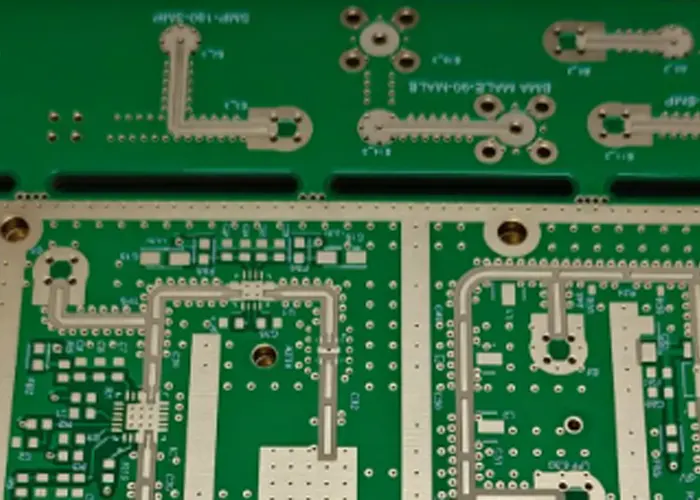
Printed circuit boards (PCBs) serve as critical components connecting numerous electronic components. Routing is the core aspect of PCB design, requiring the fulfillment of multiple constraints while achieving circuit functionality.
PCB step slots, also known as controlled-depth slots or non-through slots, are recessed grooves milled into specific layers within a PCB board without penetrating the entire board. Imagine them as “pits” dug between the “floors” of the PCB.
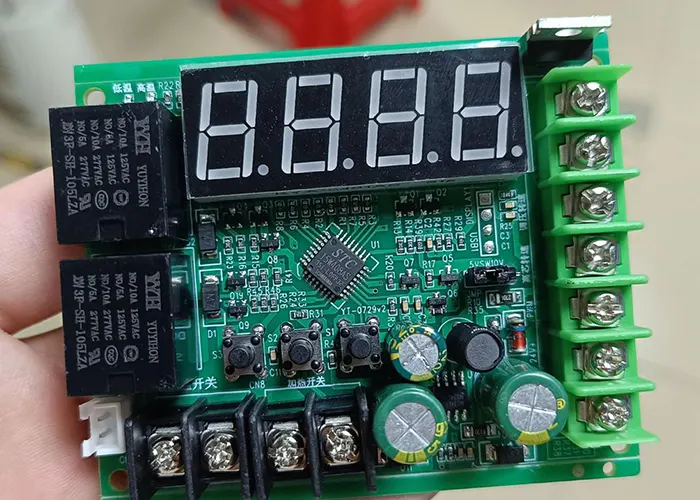
PCB, also known as a Printed Circuit Board, enables electrical connections between electronic components and facilitates functional implementation. It is a crucial component in power circuit design.
With the rapid advancement of electronic power technology, DC/DC power modules are widely adopted in high-end equipment across aerospace, power electronics, 5G communications, and military electronics.
When designing multilayer circuits requiring impedance control, printed circuit board (PCB) designers must collaborate closely with engineers experienced in radio frequency (RF) PCB layout, including mixed-signal application specialists.
In modern electronics manufacturing, ensuring the reliability of every PCB
As living standards continue to rise, increasingly stringent demands are being placed on the soldering reliability of electronic products across all sectors. The entire industry is conducting ever more detailed research into the depth and breadth of electronic assembly and smart manufacturing.
Currently, global electronic products are progressively evolving toward multifunctionality, intelligence, integration, and miniaturization. As electronic devices gain more functions while printed circuit boards (PCBs) offer limited spatial layout, surface mount technology (SMT) has become the mainstream electronic assembly technique.
Failure analysis is a crucial component of product reliability engineering. It is widely applied to determine the causes of production issues during development and manufacturing, identify reliability-related failures during testing。