
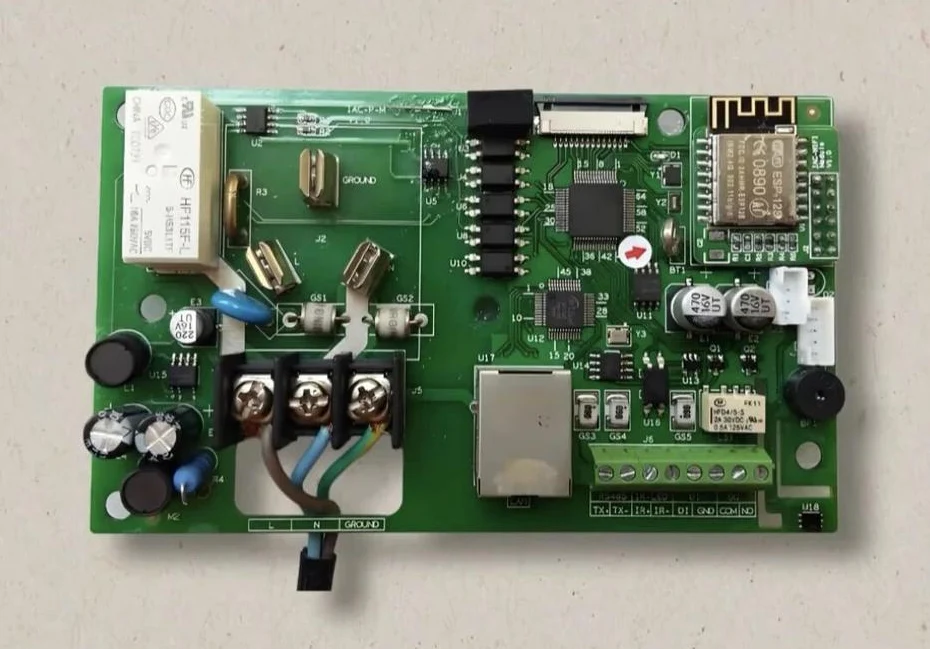
PCBA Manufacturing Defects: Common Issues and Solutions in PCB Assembly
Various issues may arise during the PCBA manufacturing process, including problems related to soldering, components, design, and manufacturing processes.
Various issues may arise during the PCBA manufacturing process, including problems related to soldering, components, design, and manufacturing processes.
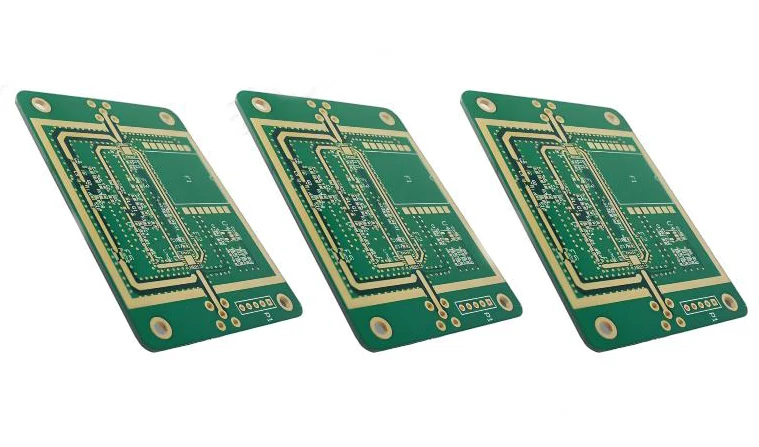
With the rapid advancement of electronic technology, electronic systems are moving toward higher operating frequencies, greater integration and higher PCB layout density.
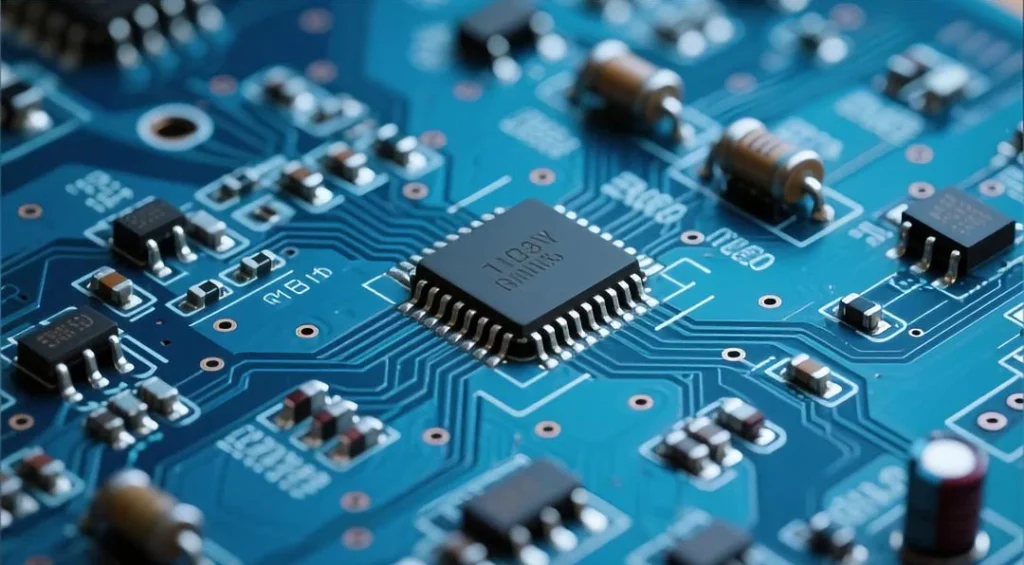
The rapid development of high-speed digital circuits (such as 5G, data centers, and high-performance computing) and high-speed serial interfaces (such as PCIe, USB4, and DDR5) has placed higher demands on signal integrity (SI) in printed circuit boards (PCBs).
With the advancement of technology and the overall improvement in technical capabilities, an increasing number of electronic devices are moving toward thinner designs and higher integration.
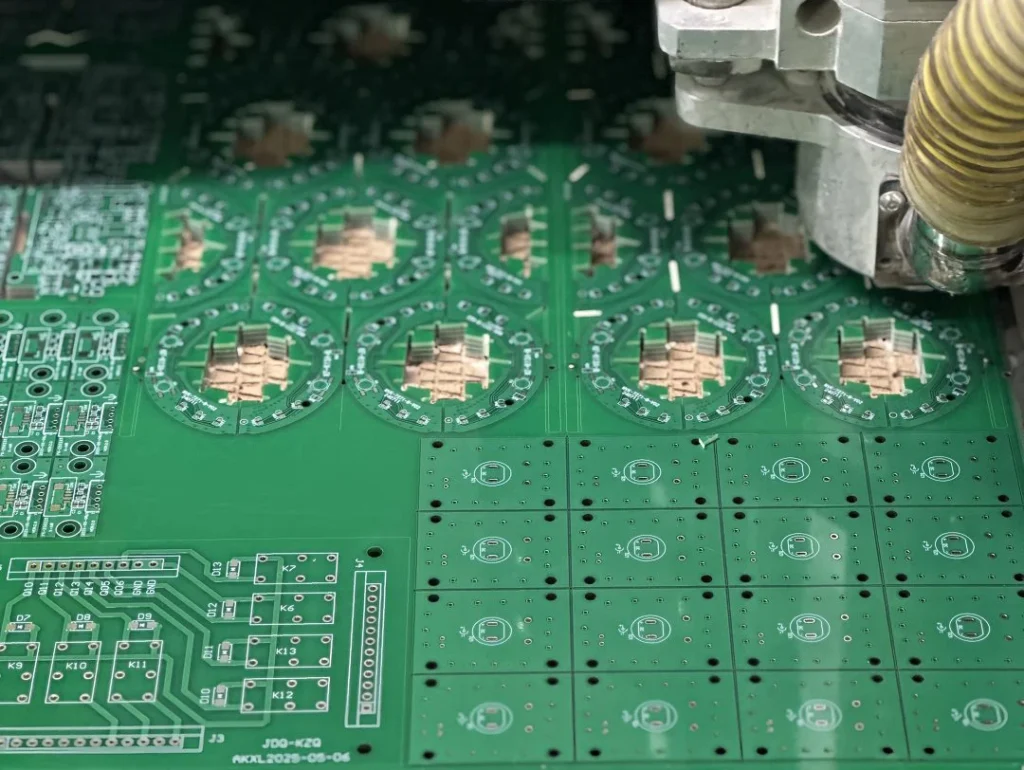
In the field of high-end printed circuit board (PCB) manufacturing, milled vias (such as dogbone vias and small square vias) serve as core microstructures for interlayer interconnection and precise signal transmission.
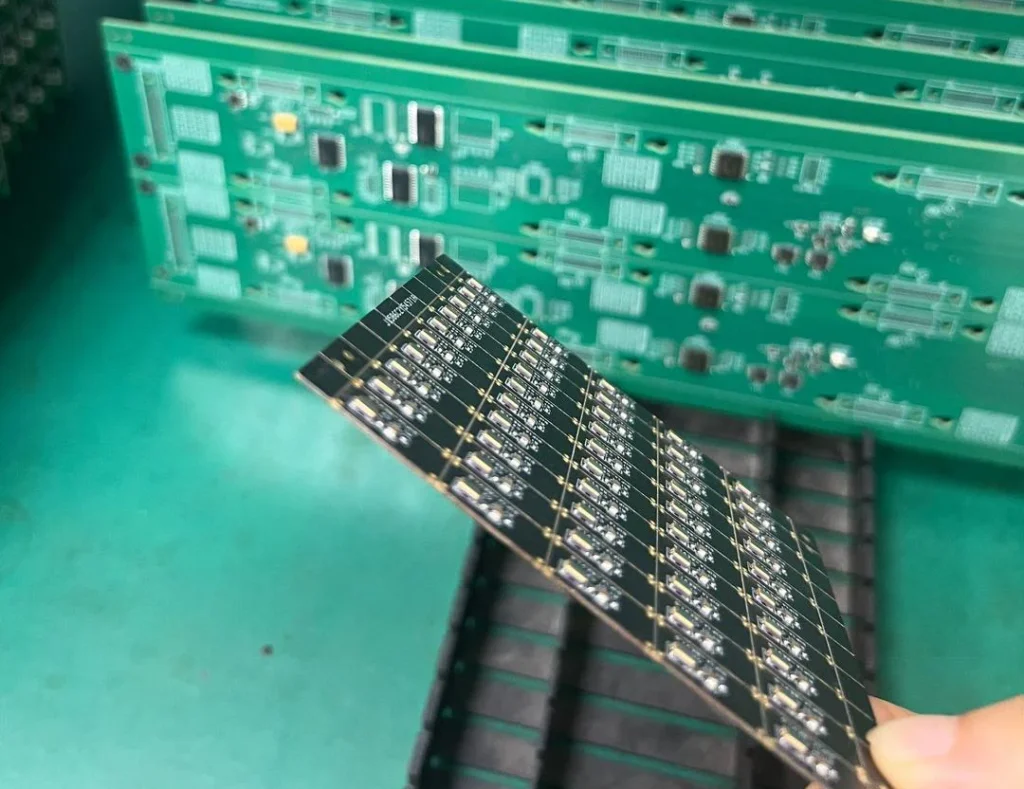
Some printed circuit boards (PCBs) require the large copper surfaces to be coated with gold, a process known as “gold plating.”
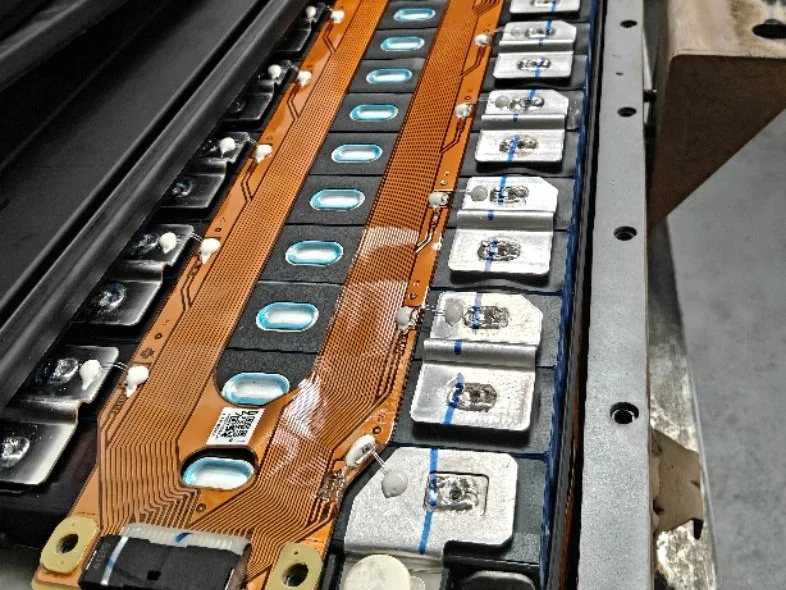
As sectors such as consumer electronics, medical devices, and automotive electronics continue to evolve toward miniaturization and high integration, FPC (flexible printed circuit boards)—as core interconnect components—are seeing their circuit designs evolve toward fine lines (line width/spacing ≤ 50 μm), high-density layouts, and complex stepped structures (such as stacked multi-layer via stacks).
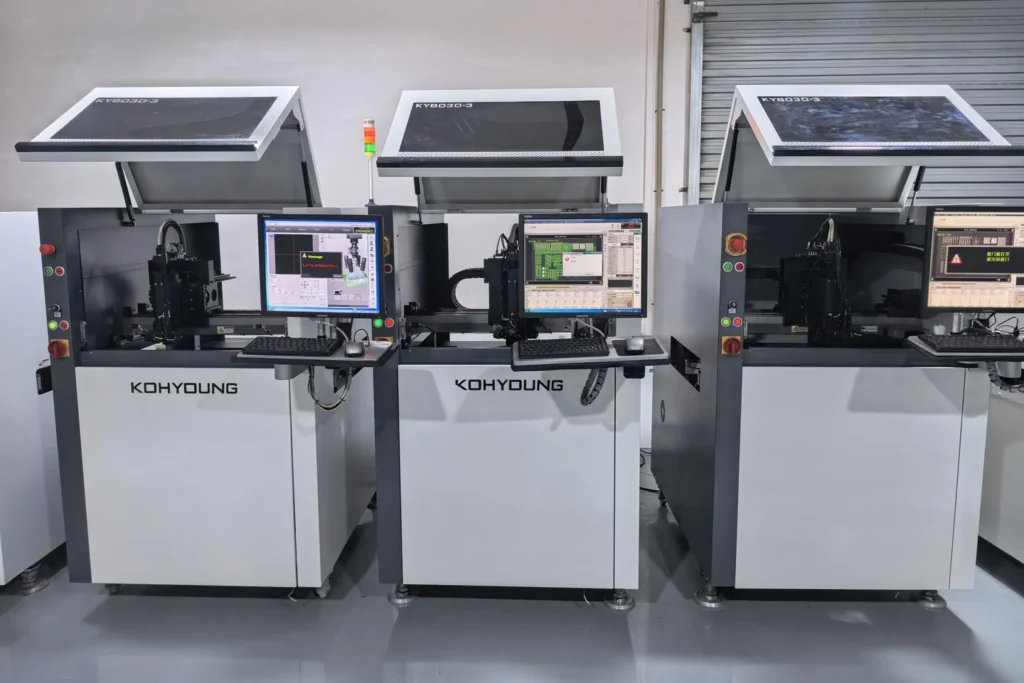
As a new type of stencil-free solder paste application technology, solder paste spray printing has demonstrated significant practical value in the production of military electronic products due to its convenience and flexibility.
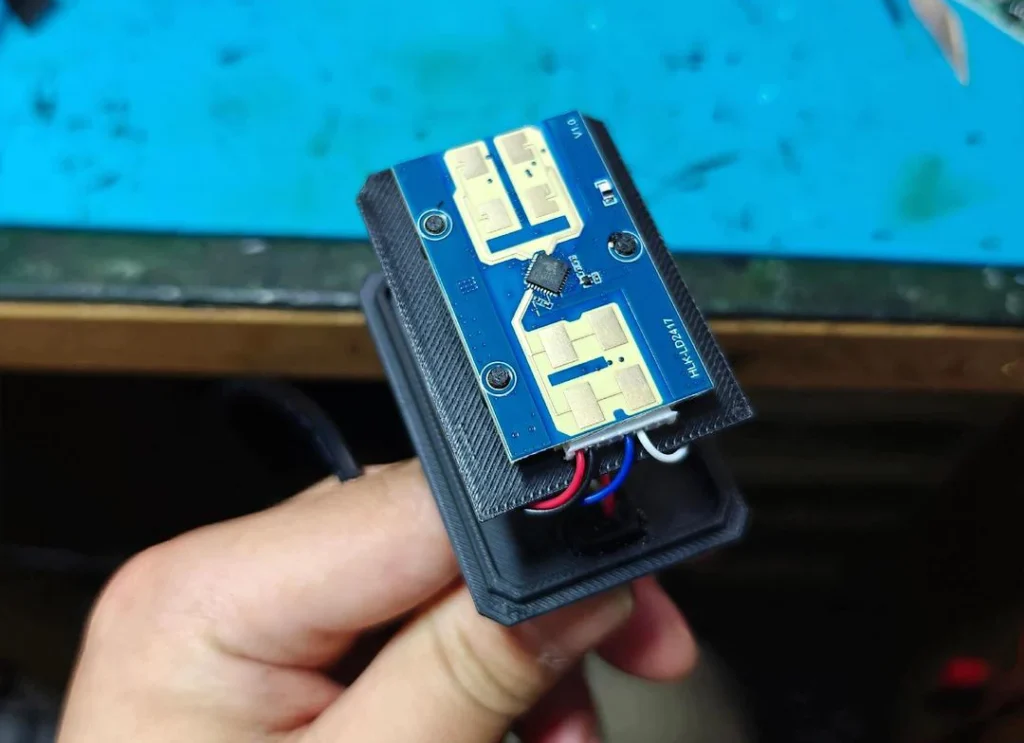
As millimeter-wave radar technology finds increasingly widespread application in fields such as autonomous driving, aerospace, and security surveillance, the demand for high-performance printed circuit boards (PCBs) has grown accordingly.
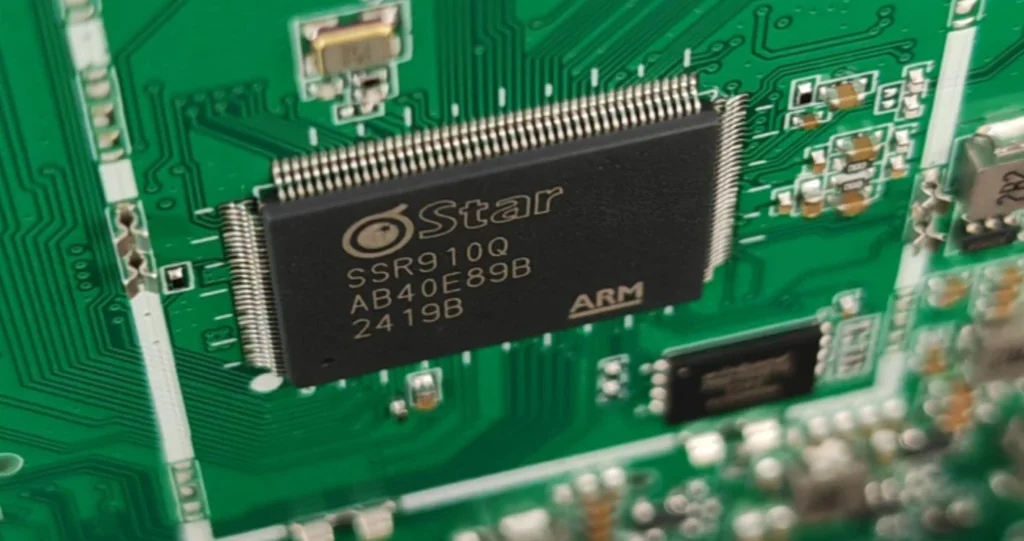
Before a new PCB assembly model enters mass production, it typically requires validation through multiple prototype versions.