
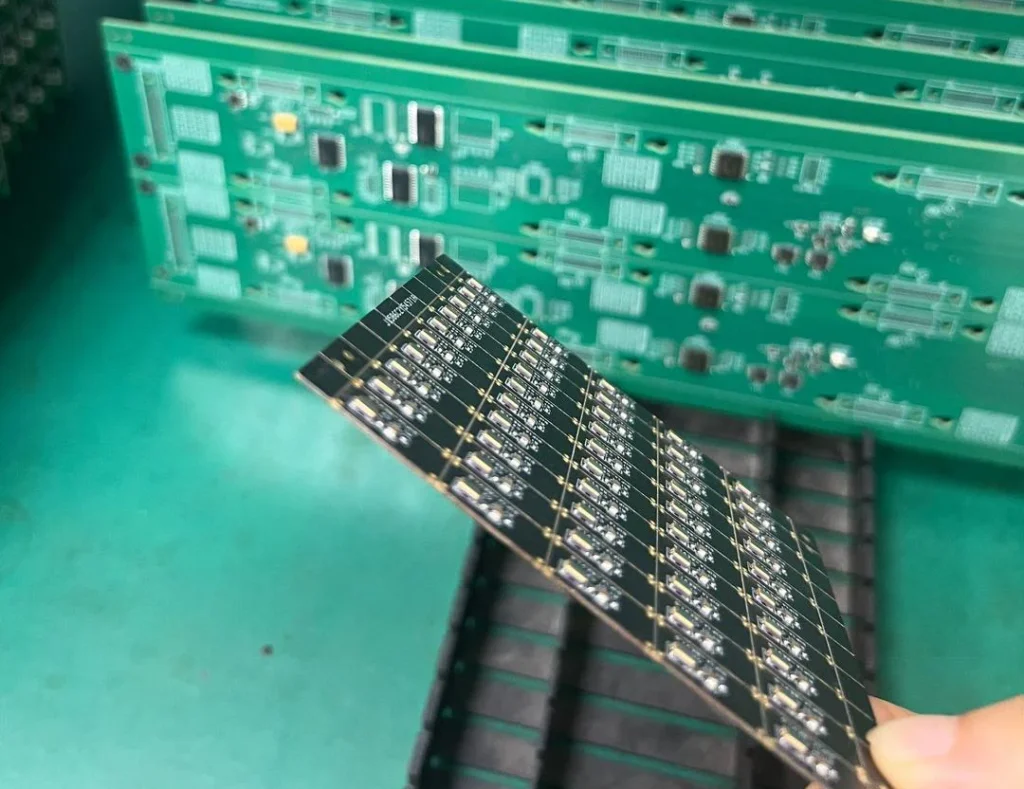
PE Film Application on PCB Gold-Plated Surfaces for Scratch Resistance Improvement
Some printed circuit boards (PCBs) require the large copper surfaces to be coated with gold, a process known as “gold plating.”
Some printed circuit boards (PCBs) require the large copper surfaces to be coated with gold, a process known as “gold plating.”
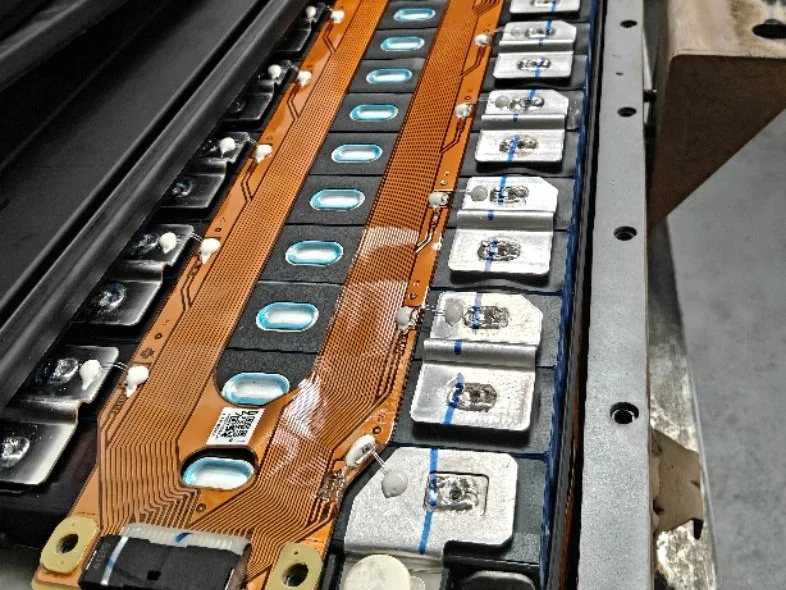
As sectors such as consumer electronics, medical devices, and automotive electronics continue to evolve toward miniaturization and high integration, FPC (flexible printed circuit boards)—as core interconnect components—are seeing their circuit designs evolve toward fine lines (line width/spacing ≤ 50 μm), high-density layouts, and complex stepped structures (such as stacked multi-layer via stacks).
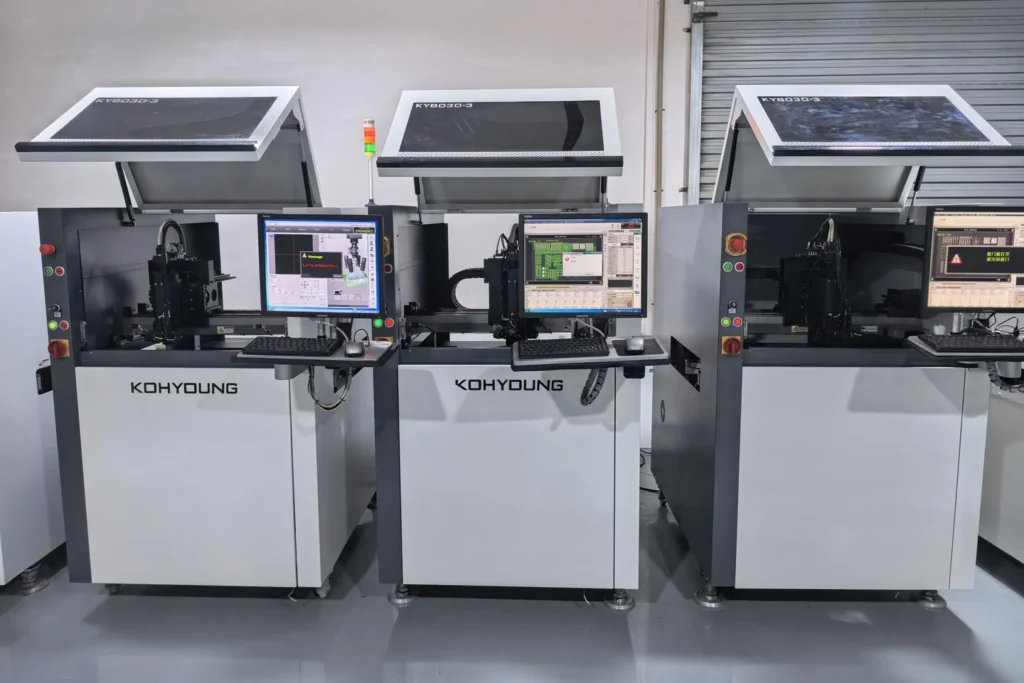
As a new type of stencil-free solder paste application technology, solder paste spray printing has demonstrated significant practical value in the production of military electronic products due to its convenience and flexibility.
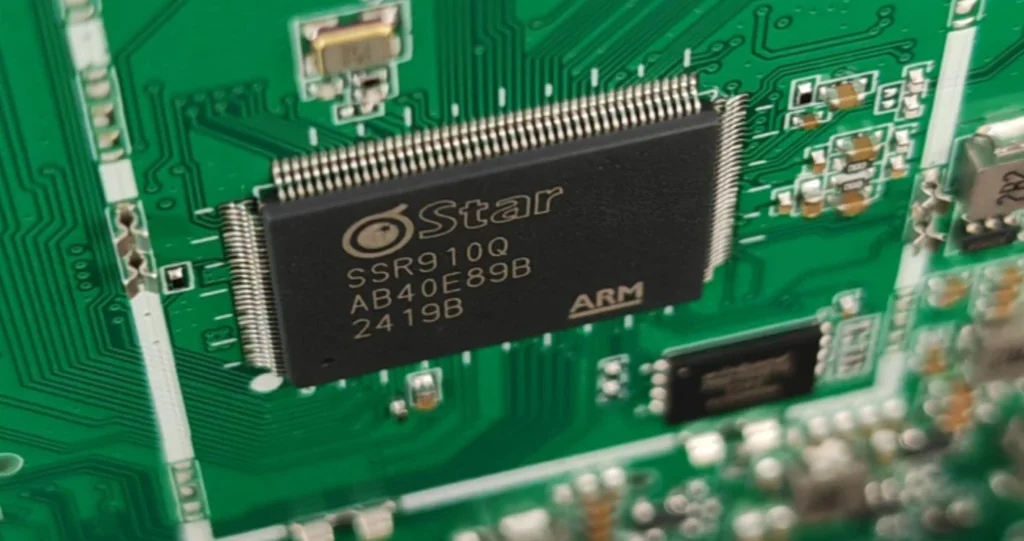
Before a new PCB assembly model enters mass production, it typically requires validation through multiple prototype versions.
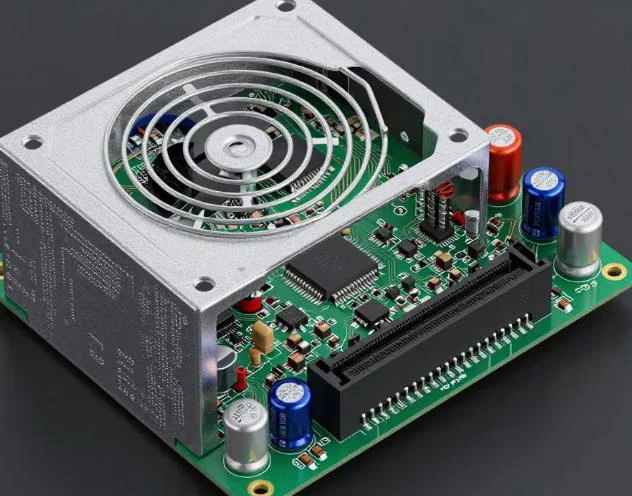
With the trend toward smarter and more integrated electronic products, a wide range of BGAs, fine-pitch components, and ultra-small devices are now in widespread use, making SMT technology the mainstream process for electronic assembly.
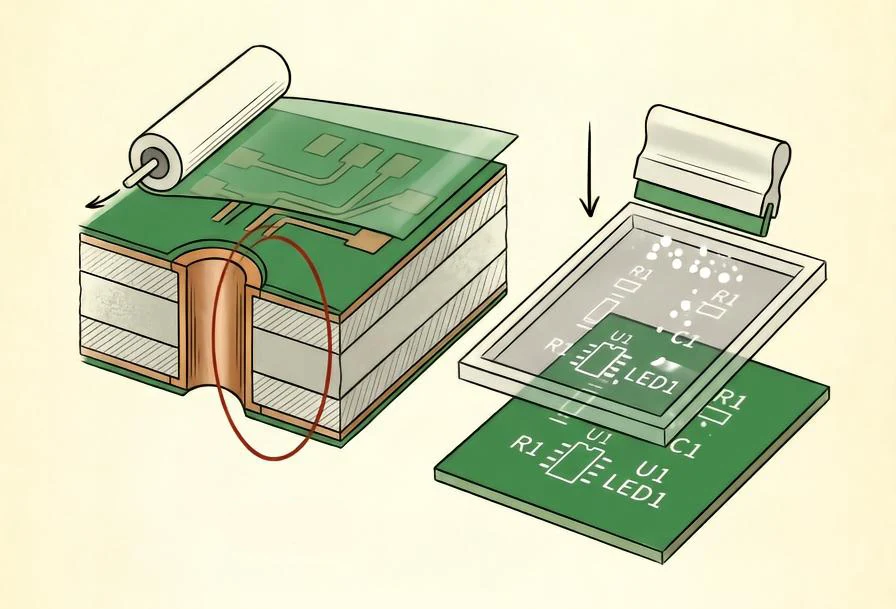
Solder mask application is a core process in PCB manufacturing that determines yield and reliability, and pre-treatment is the cornerstone of its success.
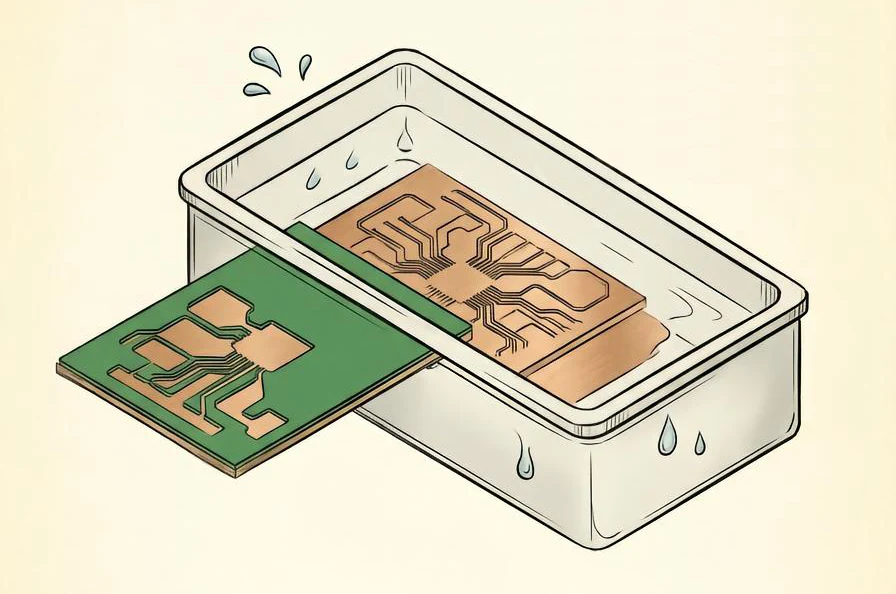
The primary purpose of pretreatment in each PCB manufacturing process is to achieve two key objectives: cleaning and surface roughening.
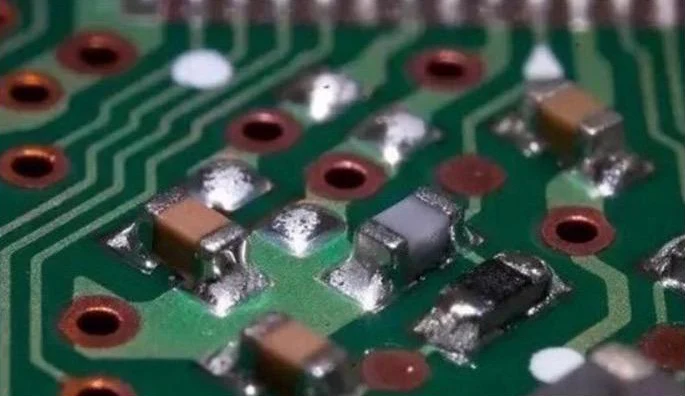
Driven by the need to “streamline processes, reduce costs, and minimize pollution,” an increasing number of electronic soldering operations are adopting “no-clean” post-soldering processes.
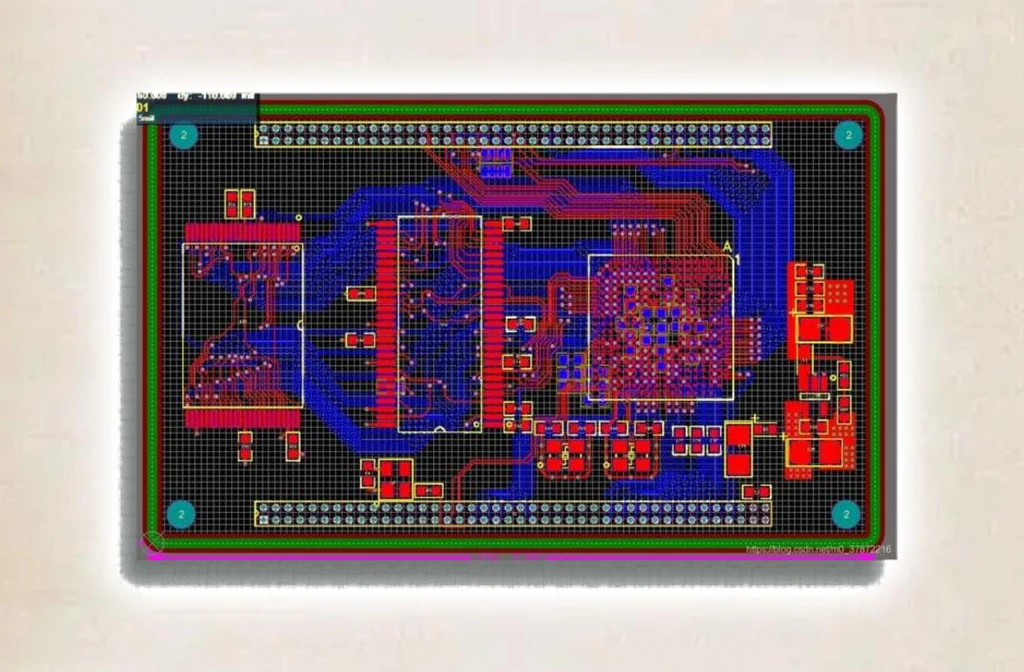
It is crucial to understand the resistance of PCB traces. This directly affects power supply stability, heat generation, and even signal quality.
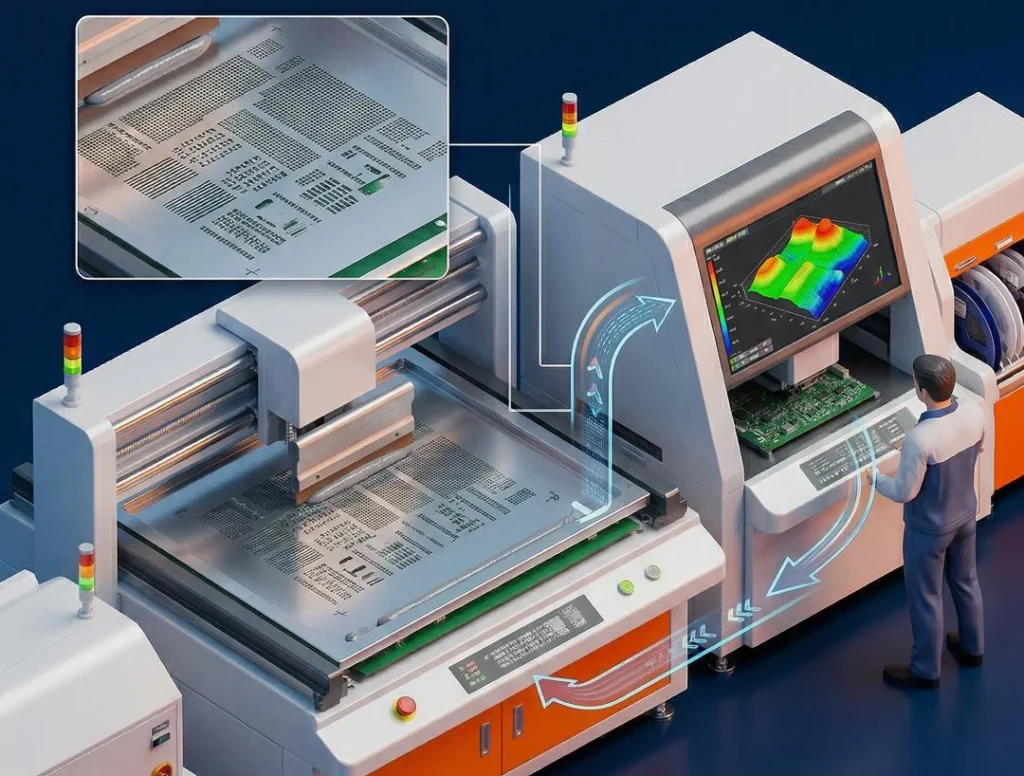
SMT is currently one of the most widely used technologies and processes in the electronic assembly industry. Since its introduction to the market in the early 1970s, it has gradually become the mainstream in the modern electronic assembly industry.